Sheet and tube laser cutting machine
For shops that cut both flat stock and tube: one bed, one setup change, and one programming environment for both processes. The sheet-and-tube machine exists because most fabricators need both — and buying two lasers is not always the answer.
What this machine is
A sheet-and-tube laser cuts flat sheet and tube on the same bed. Flat stock lies on the table and is cut by the gantry-mounted head; tube is held in the chuck and rotated through the beam. Same laser, same control, same software — two fixturing modes.
The reason the machine exists: most fabrication shops cut both, every week. Buying a dedicated sheet laser and a dedicated tube laser is two machines, two footprints, two operators and two programming environments. When the work is genuinely mixed, one machine that does both is the cheaper answer — and the software is built so that moving between the two processes does not change how you program.
Specifications
| Item | Standard specification |
|---|---|
| Laser power | 1500W / 3000W / 6000W |
| Cutting area (sheet) | 3 x 1.5 m / 4 x 1.5 m / 6 x 1.5 m / 6 x 2 m |
| Maximum chuck size | 220 mm / 350 mm |
| Sheet / tube cutting length | 3000 mm / 4000 mm / 6000 mm |
| Maximum travel speed | 90 m/min |
| Maximum acceleration | 1.2 g |
| Positioning accuracy | +/-0.05 mm |
| Repeat positioning accuracy | +/-0.02 mm |
| Working voltage | 380V 50Hz / 380V 60Hz / 220V 60Hz / custom |
| Cooling | Water-cooled |
The above are standard machine models. Special models can also be customized.
Reading the specification as a buyer
Cutting area and cutting length
The sheet area (to 6 x 2 m) sets how much of a sheet you nest per cycle; the cutting length (3000, 4000 or 6000 mm) sets the longest part, sheet or tube, that fits through the machine. Size the length to the longest part you sell, and the area to the sheets you buy — those two numbers, not the laser power, are what usually bound the machine to your product range.
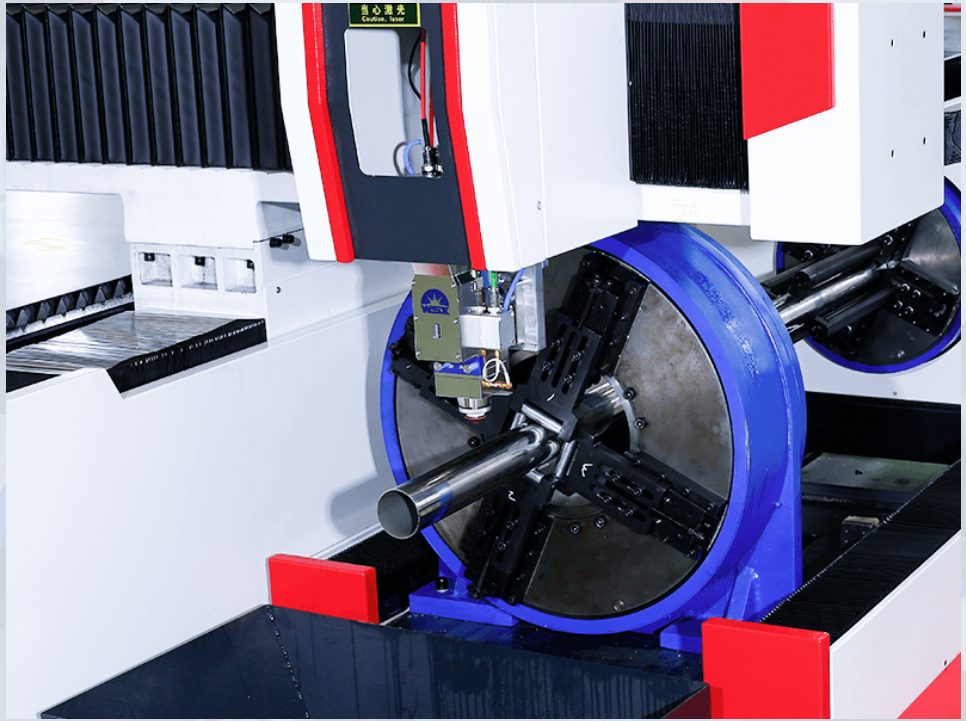
Chuck: 220 mm or 350 mm
The chuck size sets the tube envelope. 220 mm covers common structural and furniture stock; 350 mm takes larger sections. Both are standard options, so the decision follows the largest tube you actually run rather than the catalogue maximum — and if your work needs a larger envelope still, custom chuck options are available on request.
90 m/min and 1.2 g
Travel speed and acceleration matter on sheet work with dense, pierce-heavy nests. Tube work is limited by rotation and following rather than rapid travel, which is why this machine runs at 90 m/min rather than the 120 m/min of the dedicated sheet laser — the two machines are optimised for different dominant process.
Accuracy
+/-0.05 mm positioning and +/-0.02 mm repeatability — the same figures as the dedicated sheet machine. On tube, the chuck and its drive are what hold those numbers, which is why the chuck specifications deserve as much attention as the beam.
Two processes, one programming environment
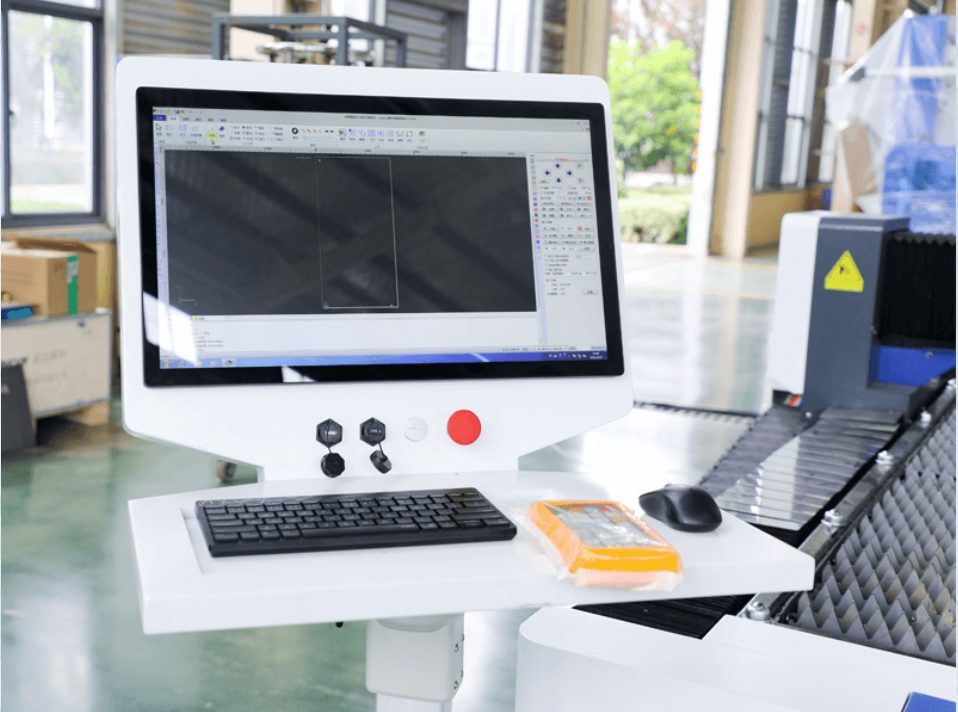
The part of this machine that decides whether it works in your shop is not the hardware — it is that the control software treats both processes the same way. The same software cuts round tube and flat sheet with identical programming, including:
- Intersecting-line (joint-cut) cutting — the branch cuts where a tube meets a tube.
- Height following, so the head tracks the tube surface as it rotates.
- Automatic edge finding, and starting the cut outside the plate or tube.
- The same file formats (AI, DXF, PLT, Gerber, G-code) and the same import optimisation as the sheet machines.
In practice: one operator, one programming habit, no second software package to learn and maintain. For a shop where the same person runs both processes, that is worth as much as the hardware.
Structure and shared systems
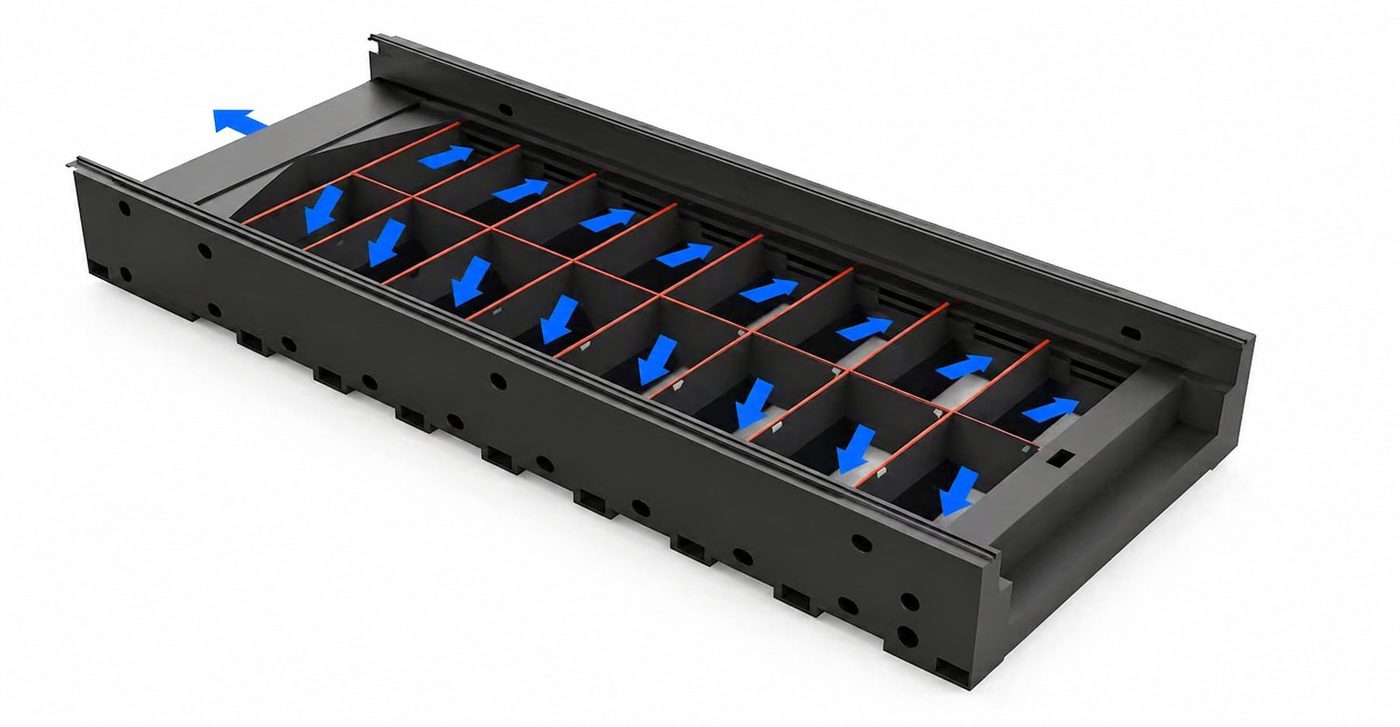
The platform is shared with the rest of the laser range, which is the point: the same finite-element-analysed, heat-treated manganese steel beam; the same welded, stress-relieved bed; the same selectable Raycus / n-Light / IPG laser sources; the same dual-temperature chiller and zoned dust extraction.
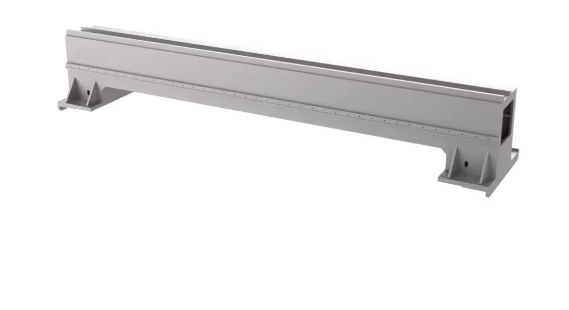
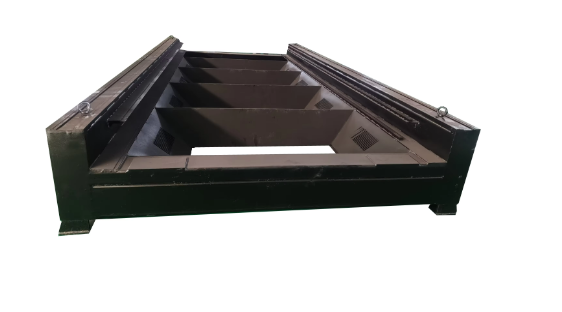
The full component story — beam, bed, laser source, cutting head, chiller, extraction and electricals — is on the fiber laser cutting machine page, and the chuck story is on thelaser tube cutting machine page.
Production process

The order of operations is where accuracy is either built in or lost: the frame is fabricated and stress-relieved before the beam, chuck and head are assembled onto it, so what ships is a machine whose geometry was set before the precision parts went on — not adjusted afterwards.
Utilities and installation
Standard supply is 380V at 50 or 60 Hz, 220V 60 Hz or custom voltage, water-cooled. Compressed air covers assist gas, optics protection and the pneumatic accessories. We supply the foundation drawing; you build the foundation. Installation and commissioning are done by our engineers at your site with your cooperation, including free training for your technical staff during commissioning, and both parties accept the machine jointly against the signed technical agreement. Warranty is the same three-year quality guarantee from acceptance — wearing parts excluded — with lifetime service at cost afterwards.
When it is the wrong machine
Be clear about the trade: if your work is nearly all sheet, thededicated sheet laser gives you more power (to 12000W) and faster travel (120 m/min); if it is nearly all tube, thededicated tube laser is built only for that process. The sheet-and-tube machine is the answer when the work is genuinely mixed — one machine, one footprint, one operator, two processes.
Questions buyers ask
What can it cut?
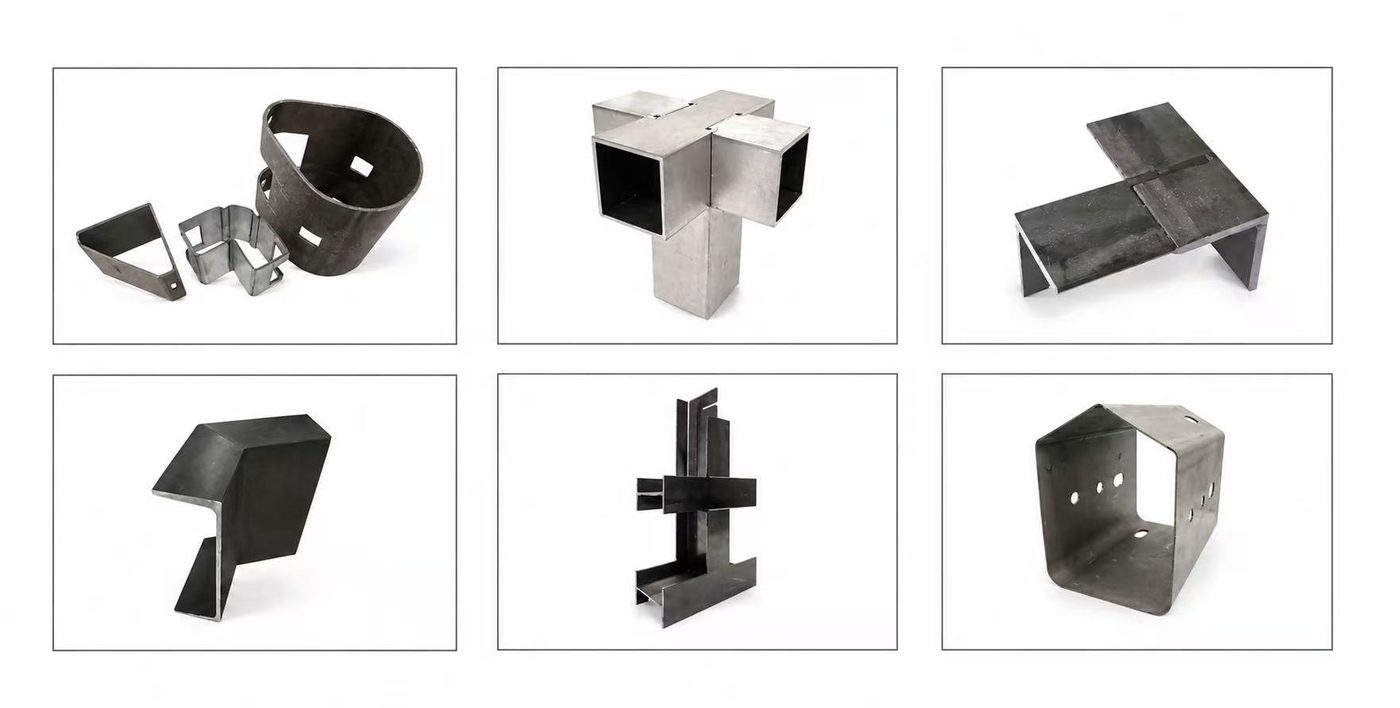
Flat sheet in the standard areas (3 x 1.5 m, 4 x 1.5 m, 6 x 1.5 m and 6 x 2 m) and tube in circular, square, oval and rectangular profiles, with chuck options of 220 mm and 350 mm. Sheet and tube cutting lengths run 3000, 4000 or 6000 mm depending on configuration.
How does switching between sheet and tube work?
The two processes share the same beam, the same control and the same software. Changing between them is a change of setup and fixturing, not a change of machine or of programming environment — the control software cuts round tube and flat sheet with identical programming methods, including intersecting-line (joint-cut) cutting, height following, automatic edge finding and starting the cut outside the plate.
Which chuck size do I need — 220 mm or 350 mm?
The chuck size sets your tube envelope: 220 mm covers the common structural and furniture stock, while 350 mm takes larger sections. Both are specified on the standard machine, so the decision is about the largest tube you actually run rather than about machine capability. If you need a larger envelope still, custom chuck options are available on request.
Is it as good as a dedicated tube machine or a dedicated sheet machine?
It is the right answer when your work is genuinely mixed and neither process dominates. If nearly all your work is tube, a dedicated tube laser gives you the chuck and support systems built only for that; if nearly all is sheet, a dedicated sheet laser gives you the larger power and speed envelope. The sheet-and-tube machine earns its place in the middle — one machine, two processes, one operator, one floor footprint.
How accurate is it?
+/-0.05 mm positioning accuracy and +/-0.02 mm repeatability, at 90 m/min maximum travel speed and 1.2 g acceleration. The accuracy figures match the sheet machines; the chuck and its drive are what hold them on tube work.
What are the power and utility requirements?
380V at 50 or 60 Hz, 220V 60 Hz or custom voltage, water-cooled — the same utility set as the rest of the range: power, water for the chiller circuit and compressed air for assist gas and pneumatics. We supply the foundation drawing; installation and commissioning are done by our engineers at your site, with free training for your operators.
What is included, and what is the warranty?
The machine, a consumables starter set (10 lenses, 10 nozzles, 1 ceramic body and a toolbox) and the full documentation set. Warranty is a three-year quality guarantee from acceptance under the three-guarantee policy — wearing parts excluded — with lifetime service at cost after that, as on every machine in the range.
Related
- Fiber laser cutting machine — the dedicated sheet machine, to 12000W.
- Laser tube cutting machine — the dedicated tube machine, 20-200 mm.
- CNC hydraulic press brake — the forming side of the same workflow.
- Importing machinery from China — freight, duty and lead time.
Pending input from the factory: Photographs of the specific configuration quoted, sample cuts in both modes (sheet nest and tube features), and per-machine test report.
Ask about the sheet and tube laser cutting machine
Send the part you need to bend and we will come back with a configuration and a quote.